Mercado Central Markets in Spain are all very centrally located in the downtown core, and the one in Alicante is HUGE! Upstairs is meat (plus cheese and eggs), while downstairs one wing is devoted to fish while another wing is devoted to fruit and vegetables. Flowers are outside on the main patio. I was particularly impressed by the booths selling heaps of eggs of different kinds and sizes. The fruit and vegetable displays are all artistically arranged with overflowing piles of so many different varieties. I loved the purple-and-white-striped eggplant, the knobbly green-and-red Raff tomatoes and itched to try some of the many different kinds of mushrooms and fresh cheeses. Bakeries No wonder I like Spain – the Spanish obviously love sweets just as much as I do. And of course croissants don’t have calories if you’re on holidays! Mireia, from MandarinaBlue Travel Experiences , recommended two bakeries that were close to my hotel. The tiny Croissanteria on Calle Poeta Qui...
Mulberries, Pomegranate Sauce, Dried Lemons, Kashk and Doogh From the outside, it looks like an old-fashioned corner convenience store. But step inside, and you quickly realize that you’ve discovered a Middle Eastern treasure trove. The Persian Store at 223 – 25th Street West is operated by Mahyar Behnami, who has been in Saskatoon for two years. The store serves an Iranian/Persian community of approximately 500 people, but it’s an opportunity for all of us to try new things. Mrs. Behnami kindly gave me a tour of the store and explained how the different dishes and ingredients would be served in Iran. Canned Goods There is a large assortment of ready-made, canned dishes. (The stews are always served over rice that is dry, not sticky.) Ghormeh sabzi is often considered the Iranian national dish. It contains herbs, dried lemon, onion and red beans – you can add your own meat. The herbs usually include parsley, leeks/green onions, cilantro, spinach and fenugreek, and the...
exploring the layers of history with Turiguias Alicante has been a major port for thousands of years with layer upon layer of history. The city’s warm, fertile climate and strategic position in the Mediterranean basin (relatively close to Africa) ensured the city’s historic importance. Nowadays, its airport is one of the largest in Spain, welcoming millions of tourists to the region’s sunny beaches every year. Mount Benacantil dominates the city’s skyline and is topped by the Castle of Santa Barbara . I learned a great deal about the city’s history from Maria Jose Aparicio, the owner of Turiguias , who gave me a personal tour of the Castle and the old fishermen’s quarter of Santa Cruz. Maria Jose, Mireia Aldeguer ( Mandarinablue Travel Experience ) and I started our tour in the town centre. Maria Jose had a wealth of information that added depth to my understanding of the city. For example, the waterfront used to be much further in, but they gradually extended the land surface ...
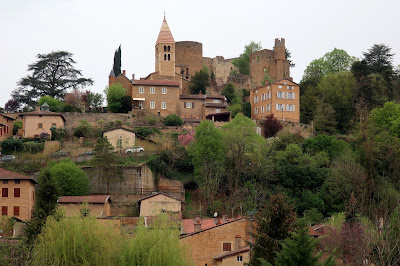
Heading north out of Lyon, you pass through a long tunnel and exit into a lush green countryside leaving the city far behind. You then turn and head up the hill onto winding roads between a patchwork of vineyards. Many of the vines are really old with short, thick, twisted trunks and a thin stem of green leaves and buds. These are the Gamay vines of Beaujolais, interspersed with a few fields of greener, leafier Chardonnay vines. South Beaujolais, just 45 minutes northwest of Lyon, encompasses 25 medieval villages of orangey-gold stone (limestone and iron) that is surprisingly vibrant (I had been expecting something lighter, similar to the Cotswolds in England). Some of the villages still have the remains of 14th century castles. Oingt is classed as one of the most beautiful villages of France and it really is lovely. You can take a walk around the town on the former ramparts and the church is austere and beautiful. I was on a half-day tour , which combined stopping to...
Megan Macdonald and Todd Gronsdahl, the owners of Sushiro and Duck Duck Goose restaurants in Saskatoon, are artists and world travellers who enjoy sharing their love of food in a friendly, inviting atmosphere. They are adapting the Japanese pub and Spanish tapas traditions to suit a Saskatoon audience, and it’s a welcome addition to our social and cultural environment. Sushiro Sushiro , on 10th Street just off Broadway Avenue, offers a varied selection of Japanese dishes accompanied by martinis (lychee sake, plum blossom plum wine), cocktails (wasabi Caesar), beer (Hitachino, Asahi, Kirin, Sapporo), wine and tea. Fresh sushi is a central focus of the menu, but there is so much else as well. My absolute favourite is the Panko crusted mushroom risotto cakes drizzled with Japanese chilli mayo. The tempura sweet potato is also great and so are the fresh, crispy salads with carrot, daikon and even seaweed. I keep meaning to leave room for dessert because they sound intriguing. It’s...



Comments
Sarah
Sweet Spontaneity